AI Tutors That Know Your Course: Why Context Beats a Generic Chatbot
AI help in education has a credibility problem, and it's earned: bolt a general-purpose chatbot onto a course page and it will cheerfully answer from the open internet — in the wrong notation, with the wrong method, contradicting the way you teach the topic. Students notice. Instructors notice faster.
A chat window is not a tutor
The test for real AI tutoring is simple: what does the model know about where the student is? If the answer is “whatever the student types into the box,” it's a search engine with manners. A tutor should already know the course, the unit, and the exact resource the learner is looking at — before the first question is asked.
What grounding means in practice
In EduGears AI LMS, grounding happens at two levels:
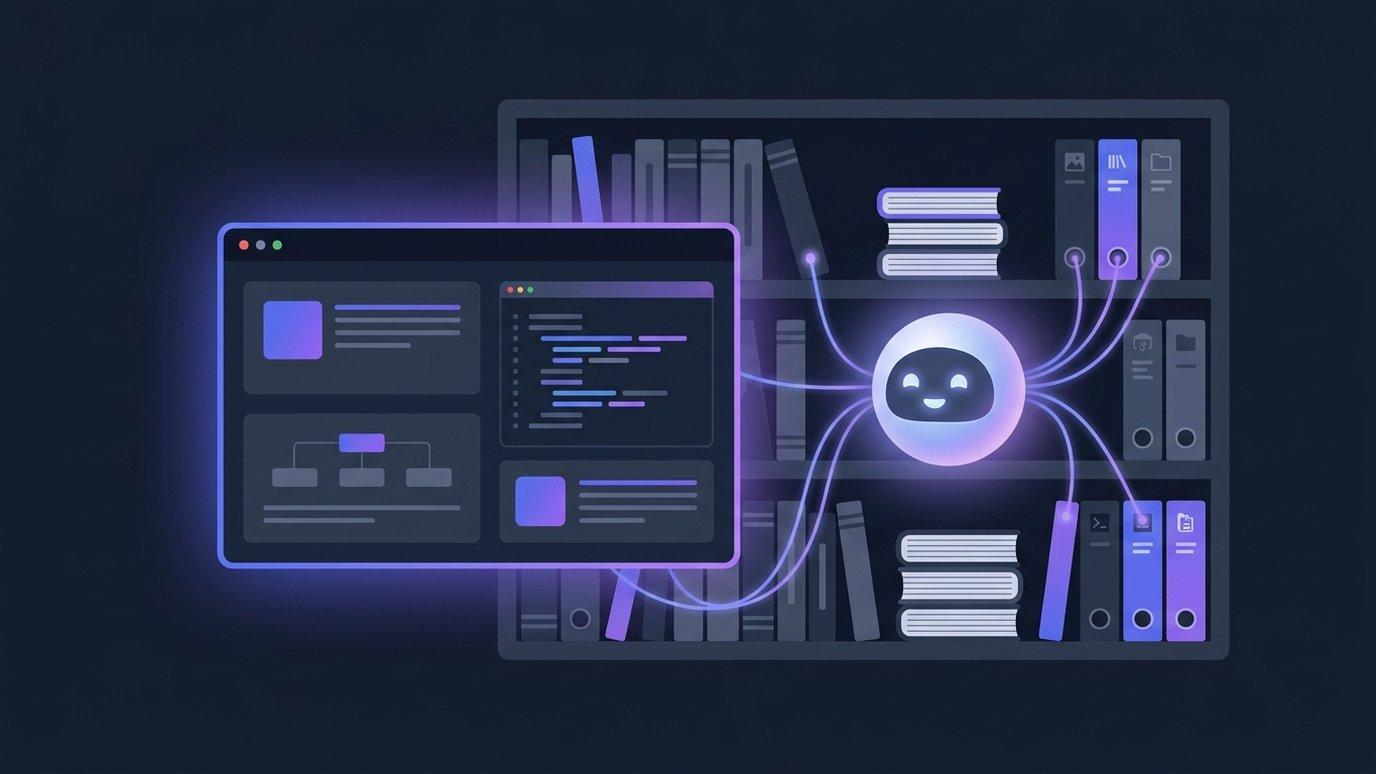
- The resource on screen. The AI Tutor is built into lessons and practice, and it sees the exact slide, page, or exercise the learner has open — so “I don't get this step” refers to this step.
- The course's own materials. Every course carries a Curriculum Intelligence knowledge base — syllabi, textbooks, lecture notes, and everything you import. The tutor answers from your curriculum, in your terminology and sequence, rather than paraphrasing the internet.
The same grounding feeds every one of the 26 AI tools: the question generator writes items in your course's vocabulary, the study-guide generator follows your structure, and Enhance-with-AI revisions stay on-syllabus.
The learner side: a tutor in the lesson
The AI Tutor is available 24/7, on demand or embedded directly in the module player alongside the content. It's multi-role by design — it can explain step by step, question Socratically instead of handing over answers, or mentor through a study plan — which matters because “give me the answer” and “help me understand” are different requests deserving different behavior.
The instructor side: a co-pilot in the editor
Instructors get the mirror image: an AI Assistant that knows the resource being edited and the course it belongs to. Ask it for a better opening example, a differentiation strategy for a mixed-ability class, or a tighter phrasing of a learning objective — and its suggestions come back in the context of your actual course, not a hypothetical one.
Pedagogy, not just answers
Context-aware AI also unlocks assessment patterns a generic bot can't touch: diagnostic pre-checks that show what students already know before a unit, reflections where AI writes each learner a short supportive response and summarizes the class for the instructor, and rubric-based AI grading where every criterion is scored from the actual submission — with the instructor approving before anything reaches a student.
FAQ
Does the tutor give students the answers to graded work?
The tutor's roles are designed for teaching — explanation, Socratic questioning, mentoring — and instructors control where tutoring is embedded. Graded assessments are separate activities, not tutor conversations.
Which AI models does it use?
The platform routes to leading models and meters usage in plan credits — or bring your own API key (BYOK) and run the tools on your own provider account.
How does the AI learn our curriculum?
Upload materials to the course's Curriculum Intelligence knowledge base, or just import your existing courseware — SCORM, Moodle backups, Common Cartridges, and documents all feed it automatically.
Посмотрите вашу академию на EduGears AI LMS
Забронируйте демонстрацию, и мы покажем вам живого арендатора, оформленного как ваша академия — ваше имя, ваши цвета, ваш домен.
Забронировать демонстрацию →