White-Label LMS: Why the Learning Experience Should Wear Your Brand
If you run an academy, a training company, or a tutoring business, your learning platform is part of your product. Learners judge the quality of your teaching partly by the surface they meet it on. That's why “can we put our logo on it?” is the wrong first question to ask an LMS vendor — and “whose platform does it feel like?” is the right one.
A logo is not a white label
Most platforms sell “branding” as a settings page: upload a logo, maybe pick an accent color, and everything else — the domain, the login page, the emails, the fine print — still belongs to the vendor. Your learners sign in at vendor.com/yourschool and get password resets from no-reply@vendor.com. The message that sends is subtle but constant: you are renting someone else's product.
A real white label inverts that. The platform resolves your identity from your domain and dresses every surface in it, so to your learners the platform simply is yours.
Branding starts before login
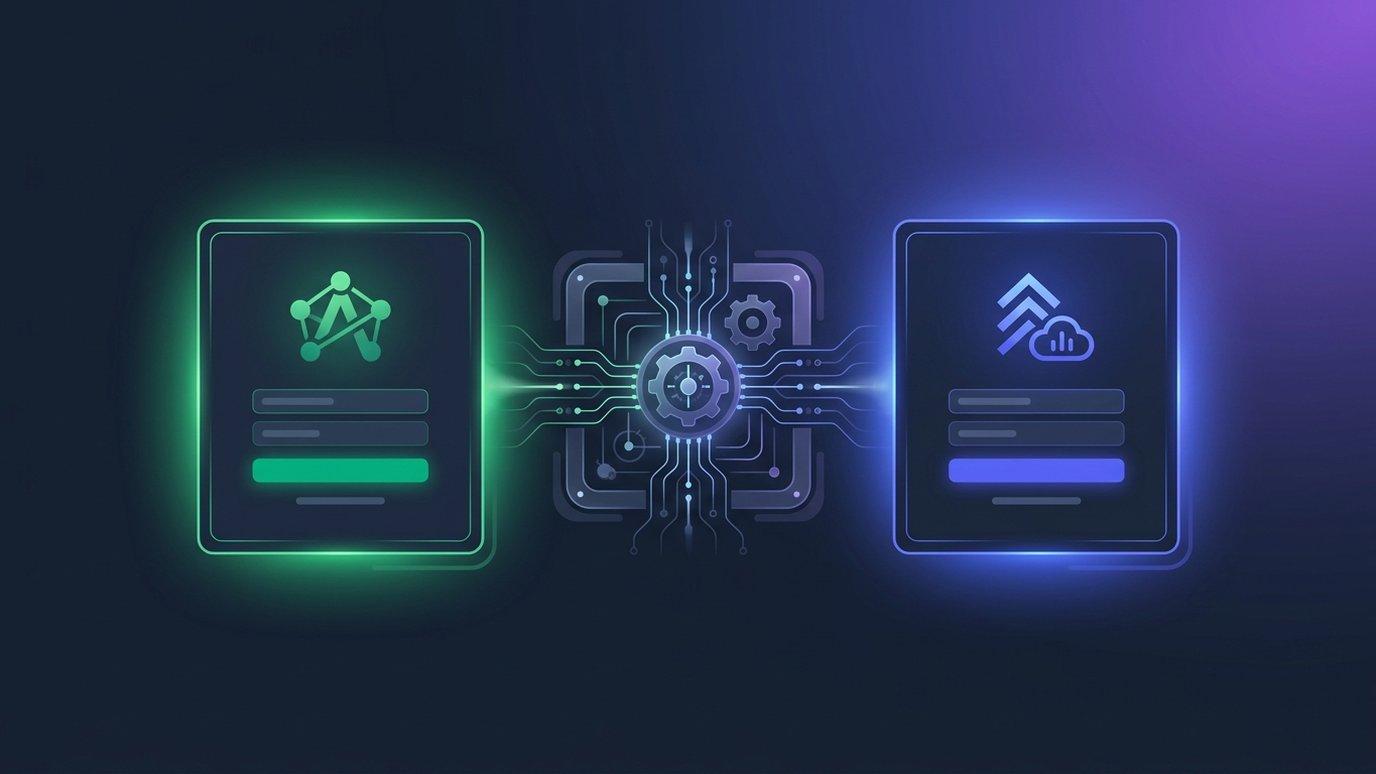
The sharpest test of a white-label LMS is the moment before anyone authenticates. Visit a tenant on EduGears AI LMS and the sign-in page already shows the academy's name, logo, and colors — resolved from the host domain itself, not injected after login. Two academies on the same platform get two visibly different products from the very first pixel.
Try it mentally with your current LMS: open your login page in a private window. If a stranger can tell what vendor you use before typing a password, it isn't white-label.
Every tenant launches on its own subdomain with live availability checking at signup, and custom domains are self-service — point DNS, and your academy runs at your own address with no support ticket.
Every touchpoint, not most of them
Branding leaks are worst at the edges — the surfaces vendors forget. In EduGears AI LMS the tenant's identity carries through:
- The learner player and dashboards, including chart colors in reports.
- Notification emails — your logo, accent color, and footer.
- Completion certificates — and the public certificate-verification page an employer might visit shows your academy's name and brand.
- Theme character — presets whose palettes and corner-radius styling echo the major LMSs your staff already know, each overridable to match your brand book.
White-label is also a data promise
Looking separate is cosmetic; being separate is architectural. Each tenant's data on EduGears AI LMS is isolated with database row-level security on every tenant-scoped table — one academy's queries physically cannot see another academy's rows, which is a much stronger guarantee than filtering in application code. Your platform, your learners, your records.
Why it matters commercially
- Perceived value. A branded platform on your own domain reads as a serious, established institution — and supports premium pricing for your programs.
- Trust at the credential. When an employer verifies a certificate on a page carrying your name, the trust accrues to you, not a vendor.
- Portability of reputation. Your learners bookmark your domain. If your URL is a path on someone else's site, your traffic and SEO belong to them.
A buyer's checklist
- Is the login page branded before authentication, on my domain?
- Can I connect a custom domain myself, without a support ticket?
- Do notification emails carry my identity?
- Does the public certificate-verification page show my academy?
- Is tenant isolation enforced in the database, not just the app?
EduGears AI LMS answers yes to all five — and adds 26 built-in AI tools for building and teaching the courses that live under your brand.
See your academy on EduGears AI LMS
Book a demo and we'll show you a live tenant branded as your academy — your name, your colors, your domain.
Book a demo →